










Beads for Bracelets
Frequently Asked Questions about Beads for Bracelets
-
What beads should I use for bracelets?
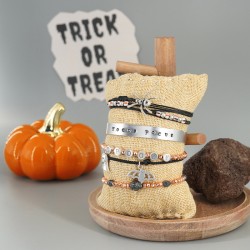
For bracelets, you can use beads made from many different materials, as long as they have the right size, a comfortable weight and a suitable hole for the thread, elastic, cord or beading wire you plan to use. Beads up to 12mm are among the most practical choices for bracelets, as they sit comfortably on the wrist and can create either a subtle or a more statement result without making the jewellery feel too heavy.
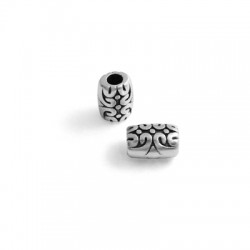
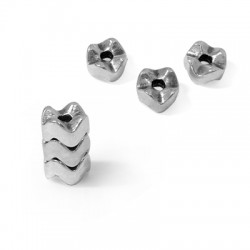
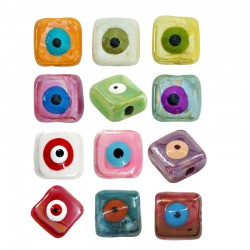
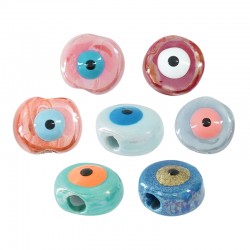
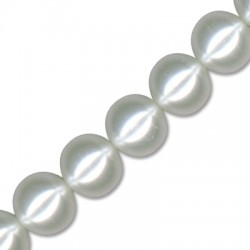
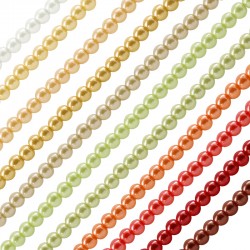
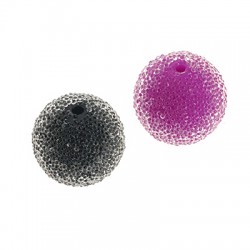
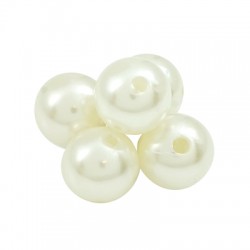
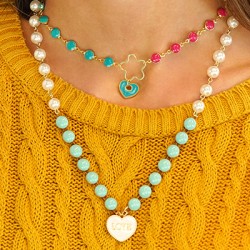
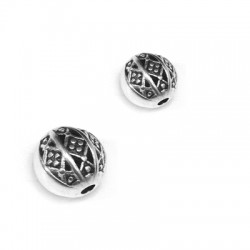
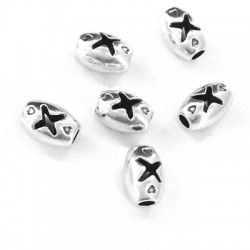
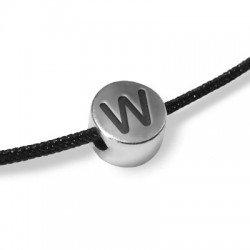
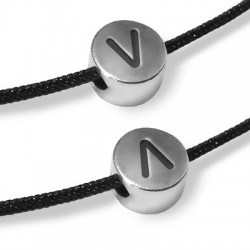
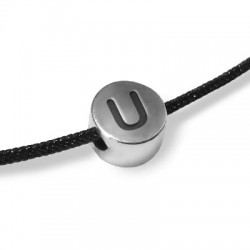
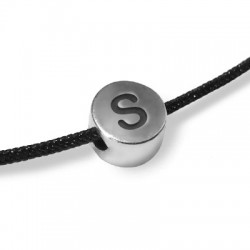
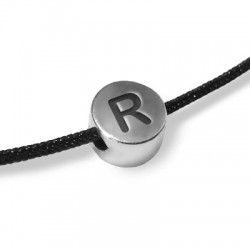
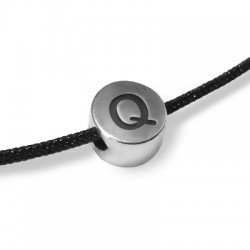
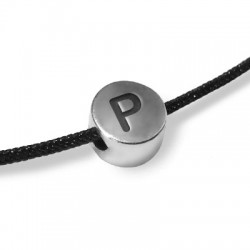
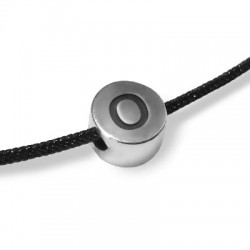
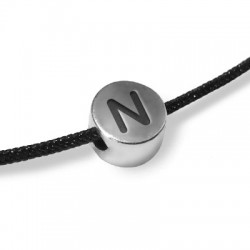
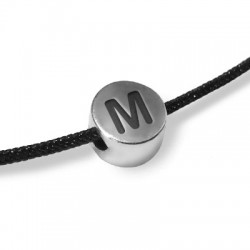
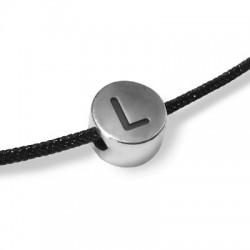
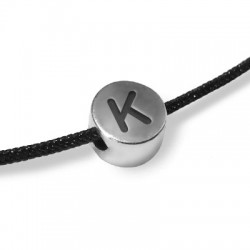
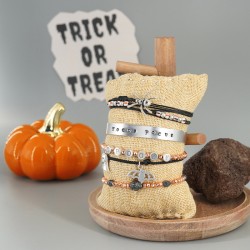
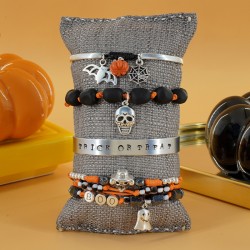
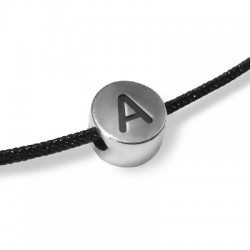
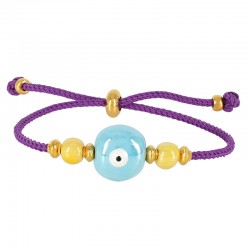
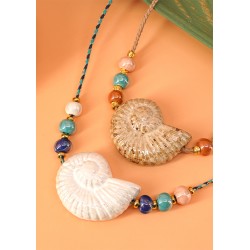
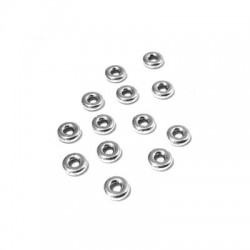
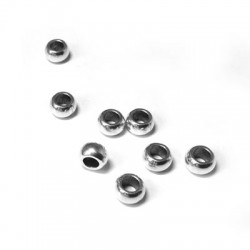
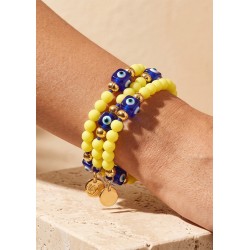
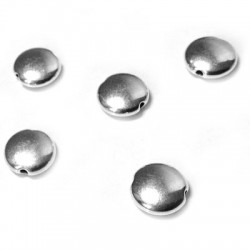
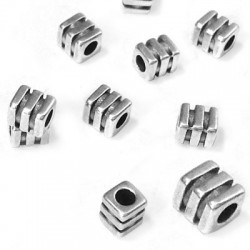
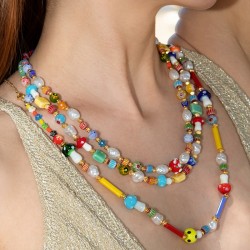
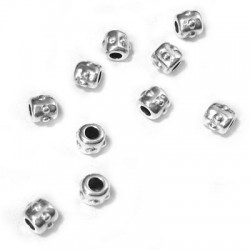
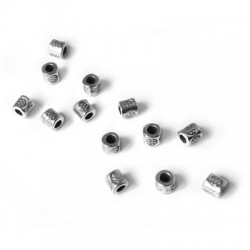
Depending on the style of your design, you can choose glass, acrylic, metal, stainless steel, wooden, ceramic, semi-precious, pearl, Miyuki, Heishi, fimo, strass beads or beads with symbols, such as eyes, crosses, letters and small motifs.
For more elegant bracelets, glass beads, pearls, metal and semi-precious beads are a great choice, while for lighter, children’s or friendship bracelets, acrylic beads, Heishi, Miyuki, fimo beads and letter beads are ideal.
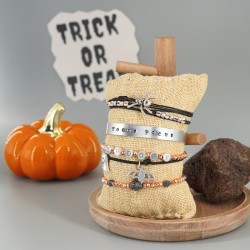
The choice of bead always depends on the final result you want to achieve. A minimal bracelet needs smaller and more discreet beads, a boho design can be based on wooden or semi-precious beads, while a summer or children’s bracelet can become brighter with colourful acrylic, plastic, resin or fimo beads.
-
What are the differences between bracelet beads and other beads?
Beads for bracelets differ from beads used in other creations mainly in terms of size, weight, texture and, most importantly, the size of their hole. Since a bracelet is worn directly on the wrist and stays in constant contact with the skin, the beads need to be comfortable, relatively lightweight and practical for everyday wear.
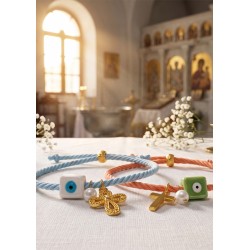
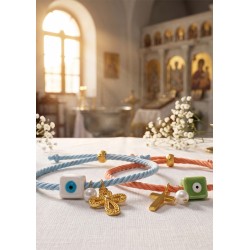
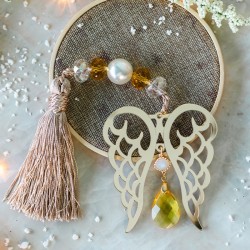
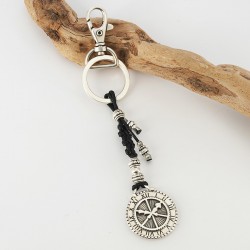
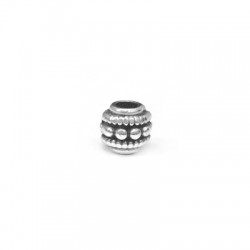
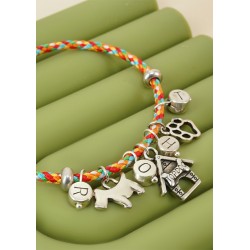
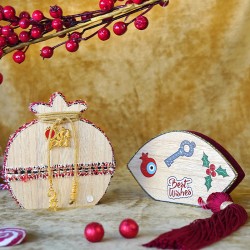
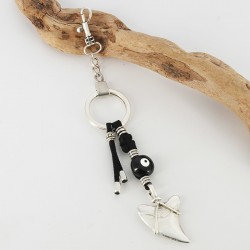
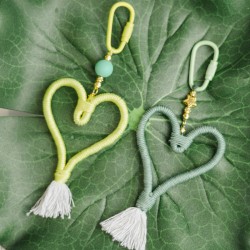
The most important technical difference is the hole diameter of the bead. Beads intended for classic bracelets usually have a smaller hole, as they are designed to be threaded onto fine materials such as elastic cord, thin waxed thread, nylon fishing line or fine jewellery wire. In contrast, for creations such as baptism keyrings, beads with a larger hole are often used so they can be threaded onto thicker and more durable materials, such as leather or suede cords, twine, twisted synthetic cords or thicker chains.
There is also a difference in the weight and feel of the bead. For bracelets, smaller, smoother and lighter beads are usually preferred, such as pearls, small crystal beads, Miyuki, Heishi, fine glass, acrylic or semi-precious beads, so that the jewellery sits properly on the wrist, does not scratch the skin and does not feel heavy. This is why beads up to 12mm are especially practical for bracelets, as they offer enough presence without making the final piece uncomfortable to wear.
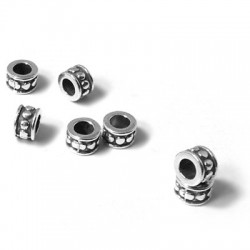
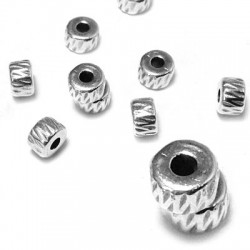
In other creations, such as keyrings, decorative items or baptism keyrings, larger, more textured or heavier beads can be used, as they are not worn around the wrist. For these designs, chunky wooden beads, larger acrylic beads, ceramic, metal or stainless steel beads often work well, as they are more durable and can better support everyday use on keys, bags or decorative compositions.
Finally, the way the bead design is showcased is also different. In bracelets, beads are usually placed side by side in a continuous row, so they need to create a harmonious and comfortable result around the wrist. In a keyring or a more decorative creation, beads work more as individual elements hanging below the ring or main motif, which is why they can have a stronger character.
-
What is the difference between glass and acrylic beads for bracelets?
Glass beads offer more shine, colour depth and a more jewellery-like finish. They are ideal for bracelets that you want to look brighter, more elegant or more refined. They work beautifully in elegant, romantic, summer or evening designs and can be combined nicely with metal elements, pearls, stainless steel details or semi-precious stones.
Acrylic beads are lighter, more practical for everyday wear and highly versatile in terms of colours, shapes and designs. They are suitable for children’s bracelets, friendship bracelets, summer creations and more playful collections, as they add colour and volume without making the bracelet feel heavy on the wrist.
Put simply, glass beads are the better choice when you want more shine and a more premium aesthetic, while acrylic beads are ideal when you want a lightweight, colourful, affordable and easy-to-use result. Both categories can be used for bracelets, as long as you choose the right size and style for your design.
-
How many beads do I need for one bracelet?
The number of beads you need for one bracelet depends on the wrist size, the diameter of the bead and whether the design will include only beads or additional elements, such as a clasp, metal motifs, an ID tag, a cross, an eye, letters or a central decorative piece.
As a guide, for a women’s bracelet measuring approximately 17–18cm, you will need around 42–45 beads if you are using 4mm beads, around 28–30 beads for 6mm beads, around 22–24 beads for 8mm beads, around 17–18 beads for 10mm beads and around 14–15 beads for 12mm beads.
If the bracelet includes a central element, decorative metal spacers, letters or larger beads, the number of beads will be reduced accordingly. For children’s bracelets, fewer beads are usually needed because the wrist size is smaller.
It is always a good idea to calculate a little extra material, especially if you are making several bracelets or if you want to try different combinations before deciding on the final design.
-
Are there beads for children’s bracelets?
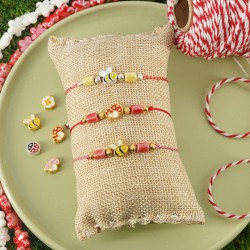
Yes, there are many bead options suitable for children’s bracelets. For these creations, the right bead choice is mainly based on low weight, comfortable wear, durability and cheerful designs that suit a child-friendly style. For children’s bracelets, some of the most practical options are acrylic, plastic, resin and gummy beads. They are very lightweight, do not weigh down the child’s wrist and come in a wide variety of bright colours and playful shapes, such as animals, figures, hearts, stars, fruits, flowers and gummy bears. At the same time, they are suitable for everyday, easy-to-wear creations, as they add volume and colour without making the bracelet impractical.
Beads made of rubber, silicone or polymer clay, such as fimo beads, are also a very good choice. They have a softer or more flexible feel, are pleasant to the touch and can create a very cheerful result in children’s and summer bracelets.
For a more natural aesthetic, wooden beads, either natural or dyed, can also be used, offering a warmer, handmade and eco-inspired look.
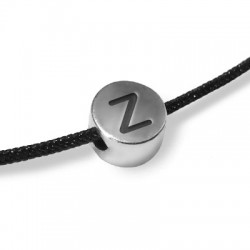
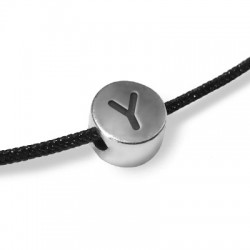
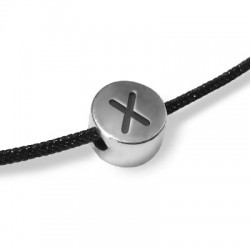
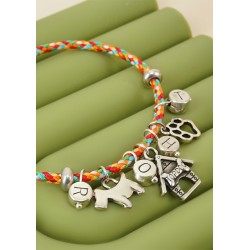
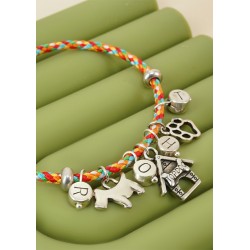
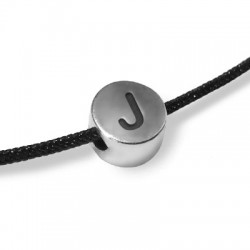
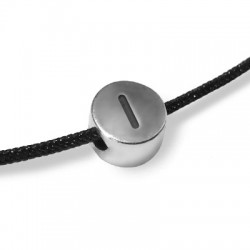
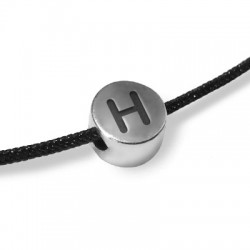
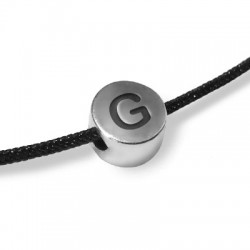
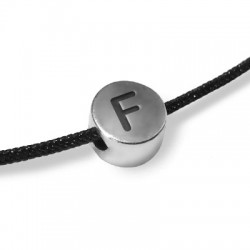
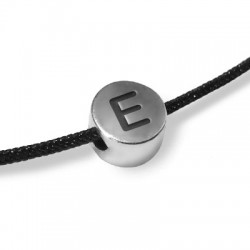
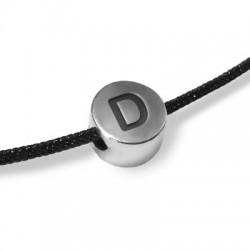
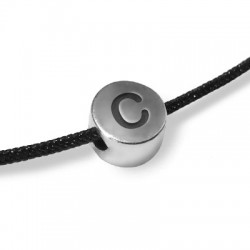
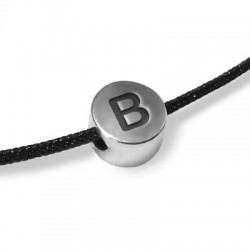
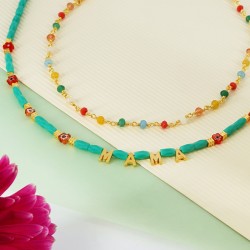
For personalised children’s bracelets, letter and number beads are an ideal choice. You can form the child’s name, initial or a small word, turning the bracelet into a more personal and fun accessory that children love to wear.
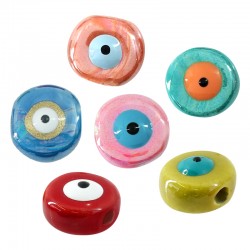
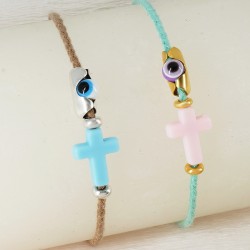
Small glass, acrylic or ceramic beads with eyes, crosses or other small symbols can also be used, always in a suitable size and weight for a child’s wrist. The important thing is that the final bracelet is lightweight, comfortable, securely tied and well finished, so it can be worn easily and remain beautiful as a children’s jewellery piece.
-
Which beads are suitable for friendship bracelets?
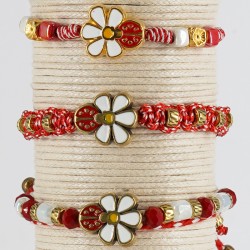
For friendship bracelets, suitable beads are lightweight, easy to wear and can be combined with cords, elastic thread, macramé or fine beading wire. Since friendship bracelets usually have a more everyday, youthful and personal character, the beads should help create designs that are comfortable, durable and easy to wear.
Very suitable options include Miyuki, Heishi, acrylic beads, letter beads, small glass beads, fimo beads, wooden beads and small semi-precious beads. Miyuki and small beads are ideal for more detailed, geometric or woven friendship bracelet designs, while Heishi beads create a modern, summery and colourful effect.
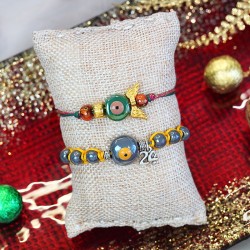
For more playful friendship bracelets, you can use letter beads, smiley beads, hearts, eyes, crosses, fruits or small symbols.
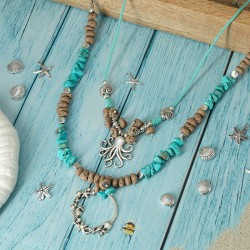
For a more natural or boho result, wooden, semi-precious or ceramic beads are a good match.
The ideal choice is to use beads that do not weigh down the hand and allow the bracelet to remain comfortable for everyday wear.


